Article
THE FUTURE BELONGS TO NATURE CENTERED COMMUNITIES
Jul 13, 2026
Article
Jul 13, 2026
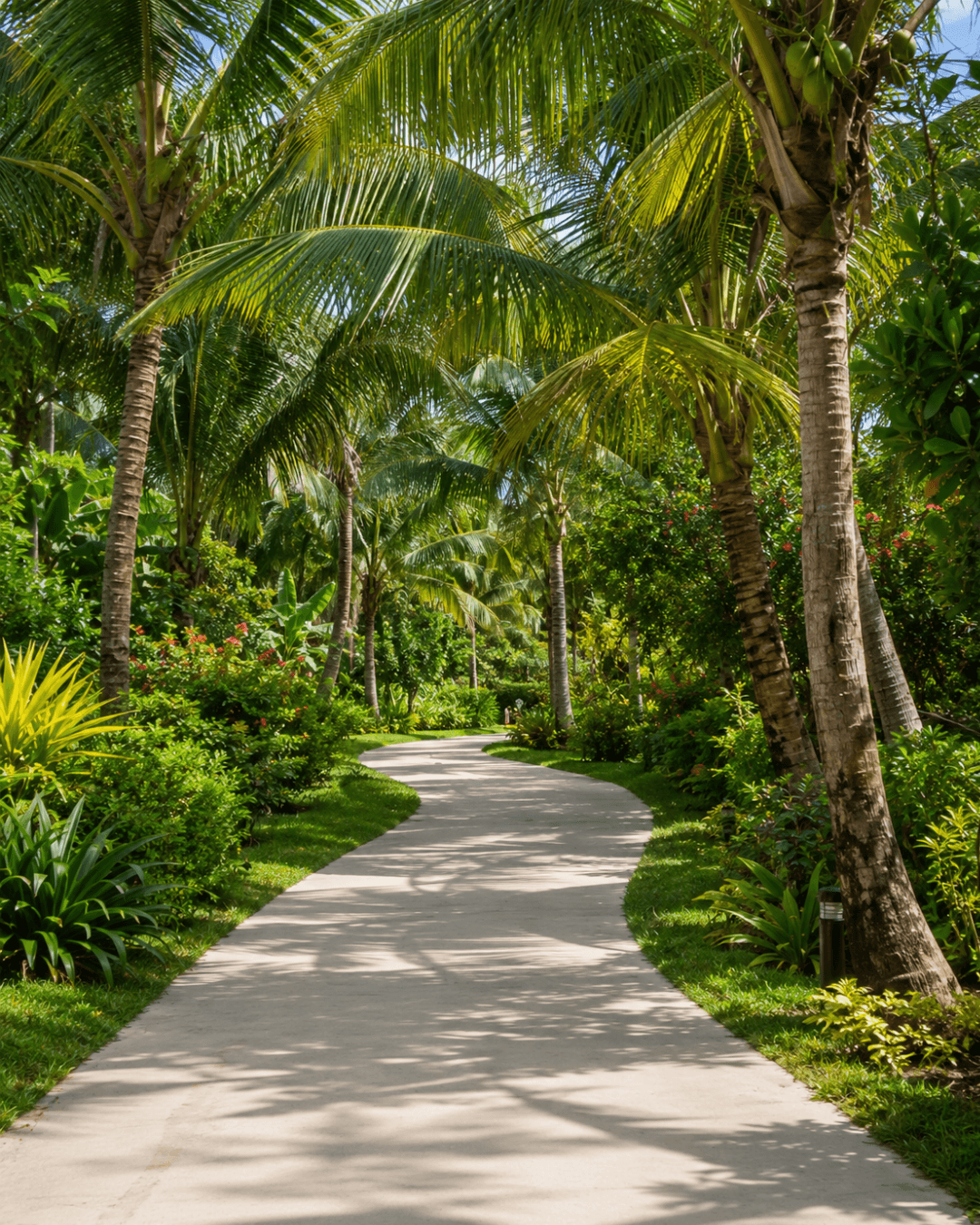
For much of the last century, cities were built around cars.
Roads became wider.
Buildings became taller.
Concrete replaced fields.
Trees disappeared.
Progress was often measured by how much land could be developed.
Today, that thinking is changing.
Across the world, the most desirable communities are no longer those with the tallest buildings or the widest highways.
They are the ones where people genuinely enjoy living.
Buying a home is not simply purchasing a structure.
You are choosing where your children will grow up.
Where your parents may spend their retirement.
Where neighbors become lifelong friends.
Where memories are made.
The quality of a community often shapes our happiness more than the size of the house itself.
Urban planners are rediscovering something our grandparents already understood.
People thrive when they remain connected to nature.
Tree-lined streets encourage walking.
Parks invite families outdoors.
Open spaces reduce stress.
Birdsong replaces traffic noise.
Natural landscapes remind us to slow down.
These are not luxuries.
They are essential ingredients of healthy communities.
Think about your favorite neighborhoods.
They usually have people walking.
Children riding bicycles.
Families gathering in parks.
Older adults exercising under the shade of trees.
These communities encourage movement instead of isolation.
Health begins not only in hospitals but also in well-designed neighborhoods.
Every great community has places where people naturally gather.
A shaded park.
A playground.
A picnic area.
A walking path.
A quiet bench beneath a flowering tree.
These spaces create conversations between neighbors.
Communities become stronger when people know one another.
Trust grows through everyday encounters.
Childhood should include climbing trees, chasing butterflies, flying kites, riding bicycles, and discovering nature.
Research continues to show that outdoor play improves physical health, emotional well-being, creativity, and social development.
Nature remains one of the greatest classrooms ever created.
A truly successful community serves everyone.
Children need safe places to play.
Teenagers need recreation.
Parents need convenience.
Professionals need connectivity.
Older adults need accessible walkways, benches, shade, and peaceful surroundings.
The best communities are those where people can live comfortably through every stage of life.
Nature-centered communities are not only beautiful.
They are financially resilient.
Trees reduce cooling costs.
Green spaces improve property values.
Walkable neighborhoods reduce dependence on cars.
Well-planned drainage helps manage flooding.
Healthy environments attract long-term residents.
Sustainability is not an expense.
It is an investment.
Growth should never mean losing what makes a place special.
The finest communities balance development with preservation.
Homes and nature should complement one another.
Progress should leave future generations with something even better than what we inherited.
Perhaps the greatest measure of a community is not the number of houses it builds.
It is the quality of the lives lived within them.
Can children safely ride their bicycles?
Can grandparents enjoy an evening walk?
Can neighbors gather beneath trees?
Can birds still be heard in the morning?
Can families feel proud to call it home?
If the answer is yes, then the community has succeeded.
The future of housing is no longer defined by larger buildings alone.
It is defined by healthier environments, stronger communities, thoughtful planning, and a deeper respect for nature.
The communities that will be most valued in the decades ahead will not simply provide shelter.
They will provide a way of life.
Because the future belongs not to cities with the most concrete—
but to communities with the most life.
This article also establishes Carmel’s philosophy without sounding like an advertisement. It tells readers why your approach matters before they ever look at a floor plan.
I would even make this the foundation of Carmel’s brand promise:
“We are not simply building houses. We are helping build healthier communities where people, nature, and future generations can thrive together.”